


The real objective
Blackjack is not about getting as close to 21 as possible.
Your goal is to finish with a stronger hand than the dealer without going over 21. Sometimes that means taking another card. Sometimes it means stopping on a total that looks weak and letting the dealer take the risk.
The 30-second answer
You win by having a higher valid total, by receiving a natural blackjack when the dealer does not, or by staying in the hand when the dealer busts.Your valid total is higher than the dealer's.
The dealer goes over 21 while your hand remains valid.
You have a natural blackjack and the dealer does not.
Know your hand
Blackjack card values
Face valueThe number printed on the card.
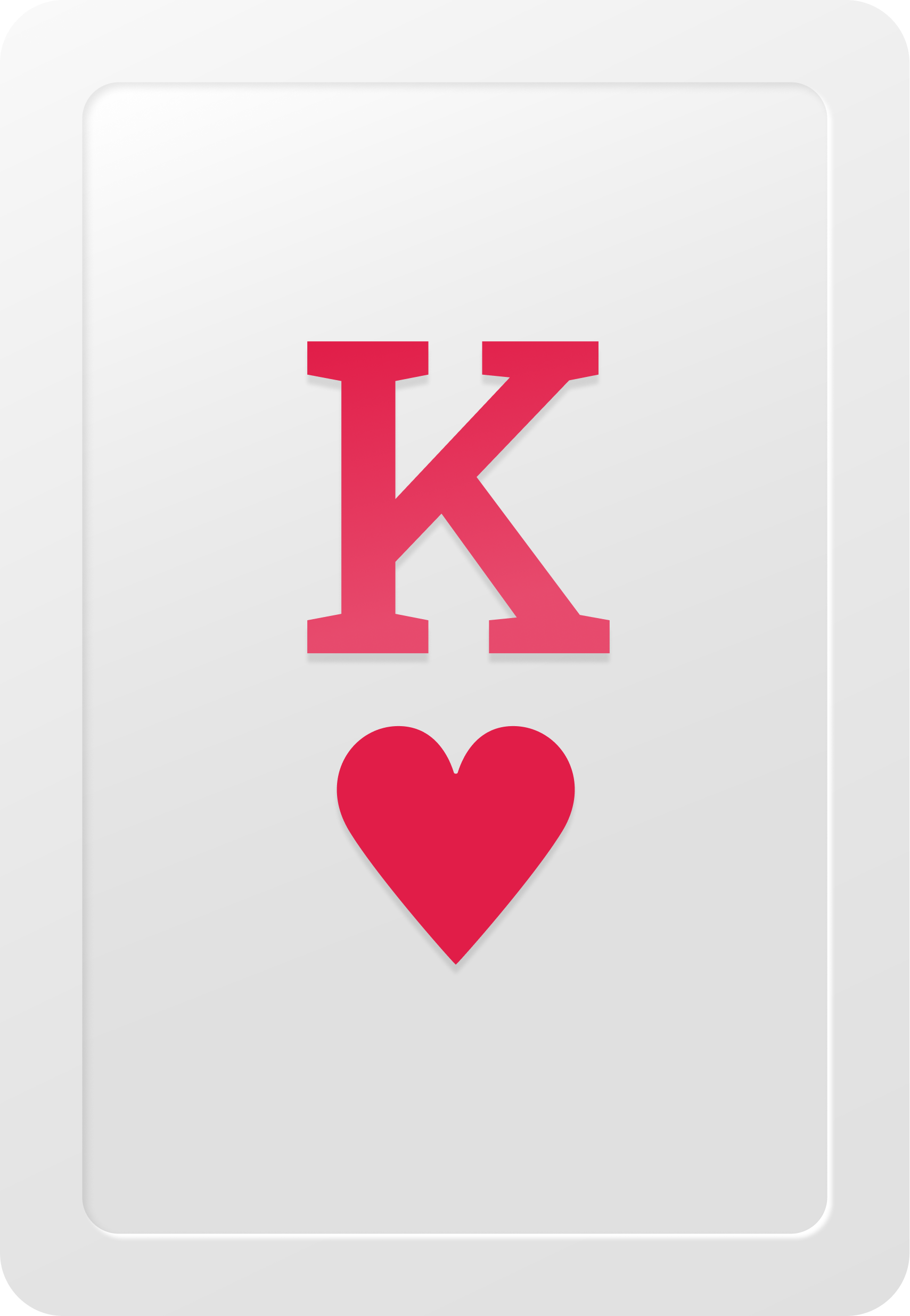
Ten points10s, jacks, queens and kings.
1 or 11Whichever creates the best valid hand.
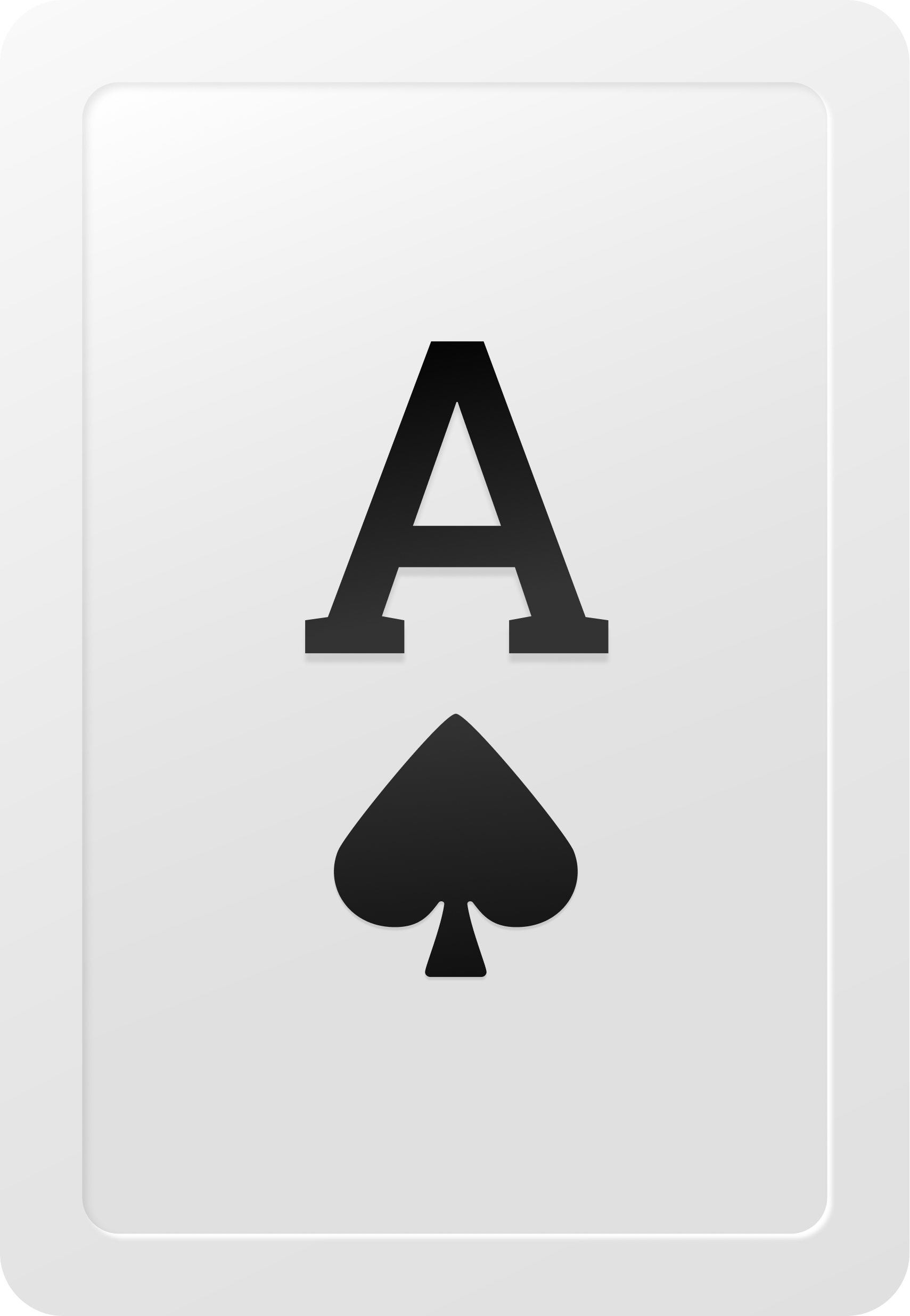 +
+
Room to move
The ace can still count as 1 or 11, so one extra card cannot immediately bust the hand.
No flexible ace
The total has no ace counting as 11. Draw a 5 and the hand goes over 21.
From deal to decision
How a round works
The exact procedure varies between physical, live-dealer and digital tables, but the decision flow stays remarkably consistent.
Check the rules
Look for 3:2 blackjack, S17 and doubling after a split.
Receive two cards
You see both of your cards and one dealer upcard.
Choose an action
Hit, stand, double, split or surrender when available.
Dealer completes
The dealer follows fixed house rules, then totals are compared.

Dealers follow fixed rules.
They normally draw on 16 or less and stand on hard 17 or more. The table tells you whether the dealer hits or stands on soft 17.
Your decision set
Five words control the game
Hit
Take another card. You can keep hitting until you stand or go over 21.
Stand
Keep your current total and end your turn. The dealer plays after you.
Double
Double the stake, take exactly one more card, then automatically stand.
Split
Turn a matching pair into two separate hands with an equal second stake.
Surrender End selected starting hands and recover half the initial stake, when the table offers it.

Read the felt
One payout changes the whole table.
A natural blackjack commonly pays 3 to 2. Some tables pay only 6 to 5. That difference adds roughly 1.39 percentage points to the house edge, all else equal.
A repeatable system
Beginner basic strategy
Basic strategy is a mathematically derived decision for every player hand against every dealer upcard. This compact chart assumes four to eight decks, 3:2 blackjack, dealer stands on soft 17, dealer peek, DAS and no surrender.
Hard totals
No flexible ace| Your hand | Dealer upcard | Action |
|---|---|---|
| 5–8 | Any | H Hit |
| 9 | 3–6 | D Double; otherwise hit |
| 10 | 2–9 | D Double; otherwise hit |
| 11 | 2–10 | D Double; hit against ace |
| 12 | 4–6 | S Stand; otherwise hit |
| 13–16 | 2–6 | S Stand; otherwise hit |
| 17+ | Any | S Stand |
Pairs worth memorising
Start hereAlways splitGive each ace a chance to pair with a 10-value card.
Always splitA hard 16 is weak; splitting creates two better starting points.
Never splitTreat the pair as a hard 10 and double against 2–9.
Never splitKeep 20, already one of the strongest totals available.
Your chart must match your table. Dealer hits soft 17, European no-hole-card rules, surrender and different deck counts can change the correct decision.
Avoidable errors
Five beginner mistakes
Chasing 21You only need to beat the dealer. A valid 13 still wins when the dealer busts.
Copying the dealerThe dealer acts after players, so their fixed drawing rules are not a good player strategy.
Standing on every stiff handAgainst strong upcards, hitting can still be the least unfavorable choice.
Taking insurance automaticallyInsurance is a separate side bet. Basic strategy declines it.
Chasing lossesA previous result does not change the probability of the next hand.
Quick answers
Blackjack FAQ
Is blackjack a game of skill or luck?
Both. The cards are random, but your decisions change the long-run expected result. Basic strategy improves those decisions; it cannot guarantee a win.
Does blackjack beat a regular 21?
Usually, yes. A two-card blackjack normally outranks a 21 made with three or more cards. Always check the rules because variants can differ.
Should you split aces and eights?
Under standard basic strategy, yes. Splitting aces and eights is one of the most consistent beginner rules.
Should you ever split tens?
Not under normal basic strategy. A pair of 10-value cards already gives you 20, one of the strongest totals in the game.
Can basic strategy guarantee a profit?
No. It reduces avoidable errors and can lower the house edge under favorable rules, but chance still controls individual results.

Learn before you play
Strategy improves decisions. It does not promise outcomes.
Practise with cards or a free no-stakes trainer first. If you later choose to gamble, use only legal, licensed services available where you are, set a fixed spending limit and never treat gambling as a way to make money.
International support